
Chasing Light Along the Edge of the Ocean
Route Planning with Light as Your Navigator
Reading Tide Tables and Swell Forecasts
Golden Hour Windows Along a Curving Coastline
Parking, Turnouts, and Safe Shoulder Etiquette
Composing Safely at the Edge
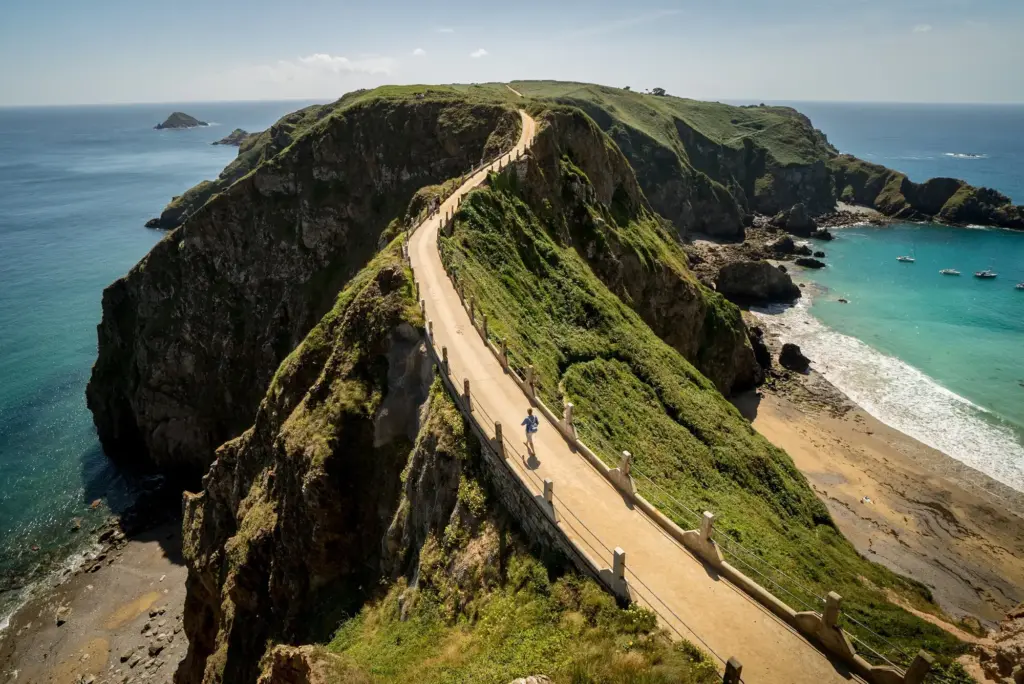
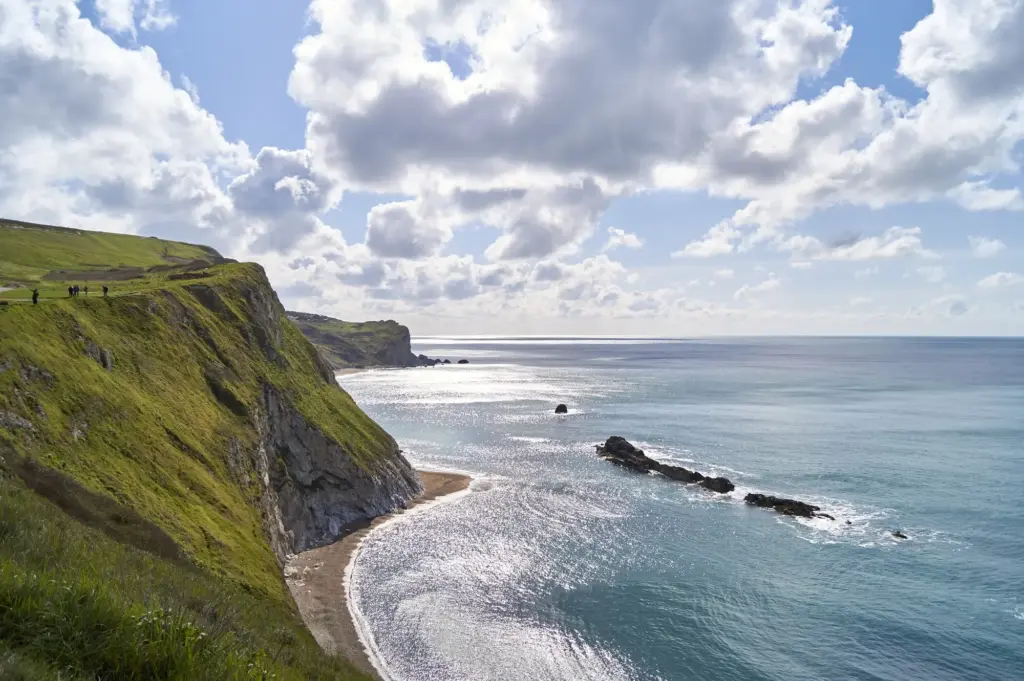
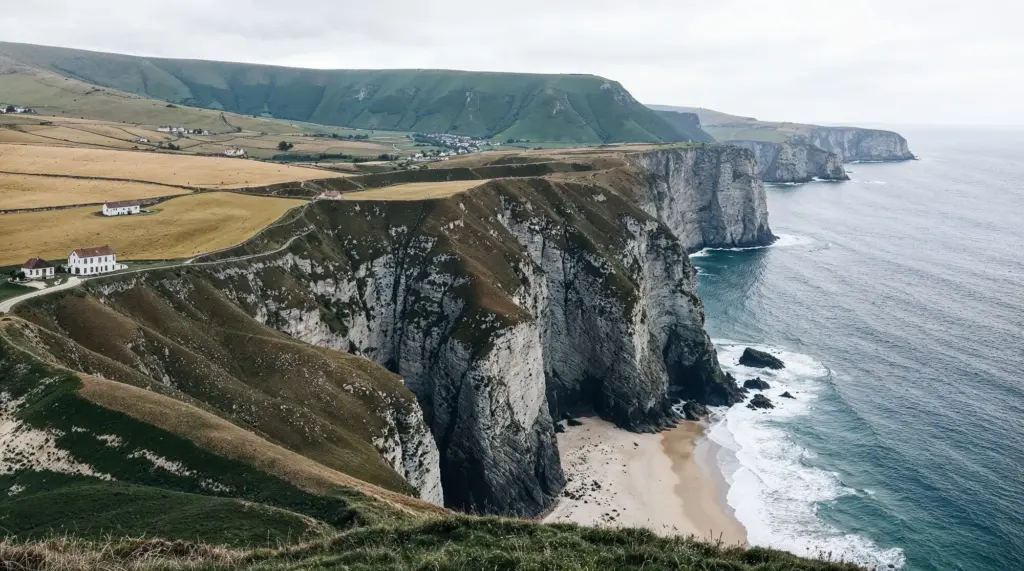
Set personal boundaries well inside posted edges, then build compositions as if the cliff were shrinking. Kneel, widen your stance, and avoid leaning beyond stable ground. Use a sturdy strap, secure your lens cap, and never chase hats toward drop-offs. Seek compositions that celebrate form without courting risk: repeating buttresses, contrasting rock tones, and diagonal surf lines. Tell the story through layers and perspective cues, inviting viewers to sense height through scale references. Leave with dignity, gratitude, and a renewed promise to return responsibly.
Harnessing Compression with Telephoto Lenses
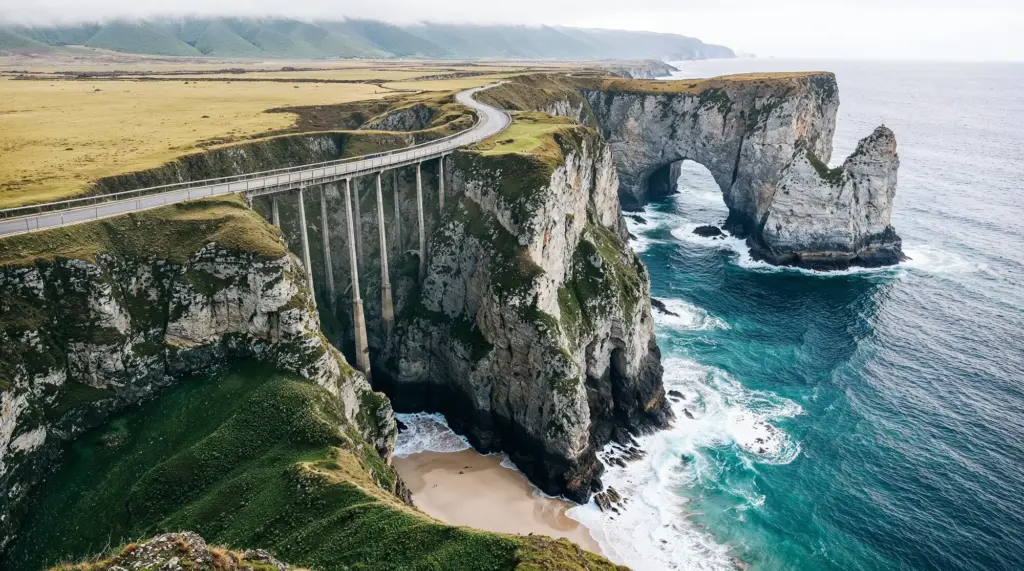
From a lofty turnout, a telephoto collapses distance so sea stacks, boats, and cliffs align into rhythmic geometry. Start with modest apertures to hold detail across planes, then adjust shutter speed for surf character. Micro-tune focus with live view, and wait for sequences of waves to crest along your intended diagonal. Compression can dramatize valley-to-sea transitions, revealing scale relationships hidden to the naked eye. When wind shakes your setup, lower the tripod and engage stabilization thoughtfully. Small adjustments here pay cinematic dividends later.
Fog, Spray, and Atmospheric Layers
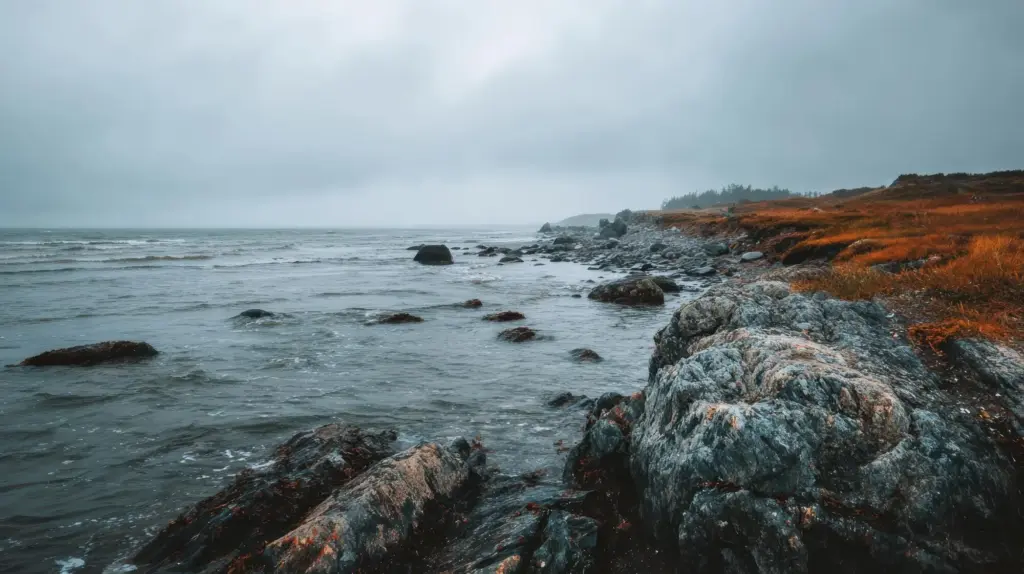
Marine layers can turn hard noon light into a soft theater of gradients. Embrace partial obscurity: silhouettes against pale haze evoke distance and mood. Protect optics with clear filters, wipe often, and shelter your kit behind your body. Backlit spray ignites tiny prisms, while side light reveals contouring cliffs. Increase micro-contrast gently during post-processing, honoring the quiet tonality rather than forcing clarity. Think of atmosphere as a brush that paints depth, allowing you to place subjects within luminous envelopes that feel honest, gentle, and timeless.
Hunting for Sea Stacks and Sculpted Shores
Sunset Vistas from Serpentine Byways
Sequencing for Emotional Pace
Geotagging, Captions, and Context
Editing on the Move and Power Logistics
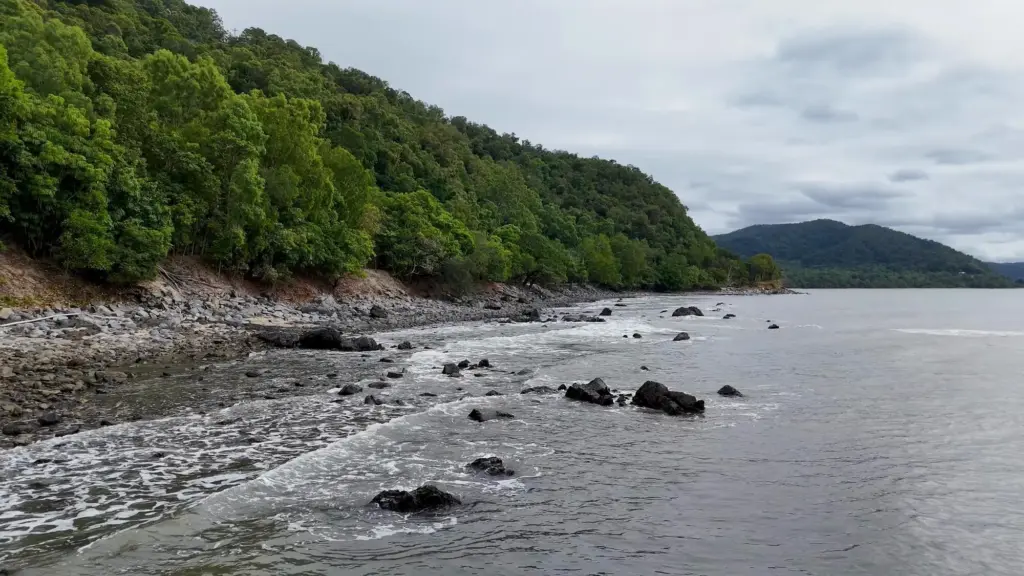
Respecting Access and Cultural Histories
Fences and signs protect fragile dunes, burial grounds, and active research zones. Honor closures, seek permits when required, and ask permission before crossing private easements. Learn local stories that deepen images with lived context: traditional fishing coves, legends tied to particular rock arches, and seasonal ceremonies. Photographs gain resonance when they reflect place-based knowledge rather than treating coastlines as generic backdrops. When you publish, amplify indigenous voices and local historians. Your presence becomes not only polite, but collaborative, sustaining shared pride and understanding along the route.
Emergency Readiness Near Unpredictable Water
Sneaker waves and unstable cliffs demand quiet vigilance. Carry a first-aid kit, insulated layers, headlamps, and a compact emergency blanket. Keep a paper map in case batteries fail, and text someone your expected return. Face the ocean while repositioning, especially during high swell. If someone is swept, call authorities immediately rather than attempting hazardous rescues. Practice calm packing habits so departures are smooth under pressure. Preparedness may feel unromantic, yet it preserves the freedom to witness thunderous beauty, then drive home with gratitude, images, and stories to share.
Sharing Responsibly and Building Dialogue
Invite readers to comment with respectful alternatives when favorite spots become crowded, and to suggest roadside pullouts with safer shoulders. Encourage subscriptions for tide-aware alerts, printable checklists, and seasonal route ideas curated to changing light. Host gentle debates about editing styles, equipment footprints, and disclosure choices, insisting on empathy as a ground rule. Respond generously to beginners finding their sea legs. Together, a dispersed community can protect access, uplift craft, and keep coastlines thriving, so sunset vistas remain inviting classrooms instead of cautionary museum pieces behind ropes.
All Rights Reserved.