Chasing Light Along the Edge of the Ocean

Welcome to an adventurous, camera-ready journey built around Photographer’s Coastal Driving Itineraries: Cliffs, Sea Stacks, and Sunset Vistas. We will chart winding roads, time our arrivals with tides and golden light, and uncover safe vantage points that reward patience and curiosity. Expect practical checklists, heartfelt anecdotes, and creative prompts designed to turn roadside stops into unforgettable frames. Buckle up, clean your lenses, and let the coastline lead, while you compose stories that smell of salt, hum with wind, and glow with the last embers of day.

Route Planning with Light as Your Navigator
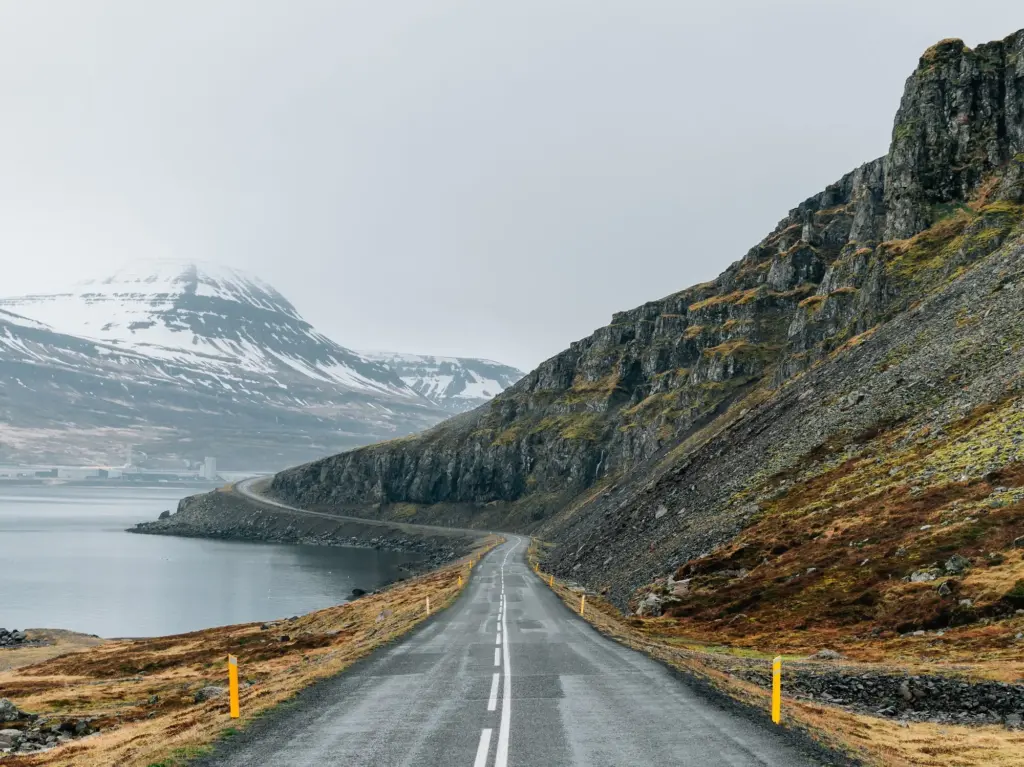
A successful coastal shoot begins long before the first cliff appears through the windshield. Build your route around sun angles, tide windows, and swell patterns, leaving generous buffers for traffic, detours, and roadside discoveries. Keep a shortlist of alternative overlooks, and remember that clouds transform ordinary stops into miracles. Use offline maps, save ranger station numbers, and pre-scout parking to avoid rushed decisions. Invite your audience to share their favorite pullouts, and subscribe for future downloadable GPX files that match changing seasonal light.

Reading Tide Tables and Swell Forecasts
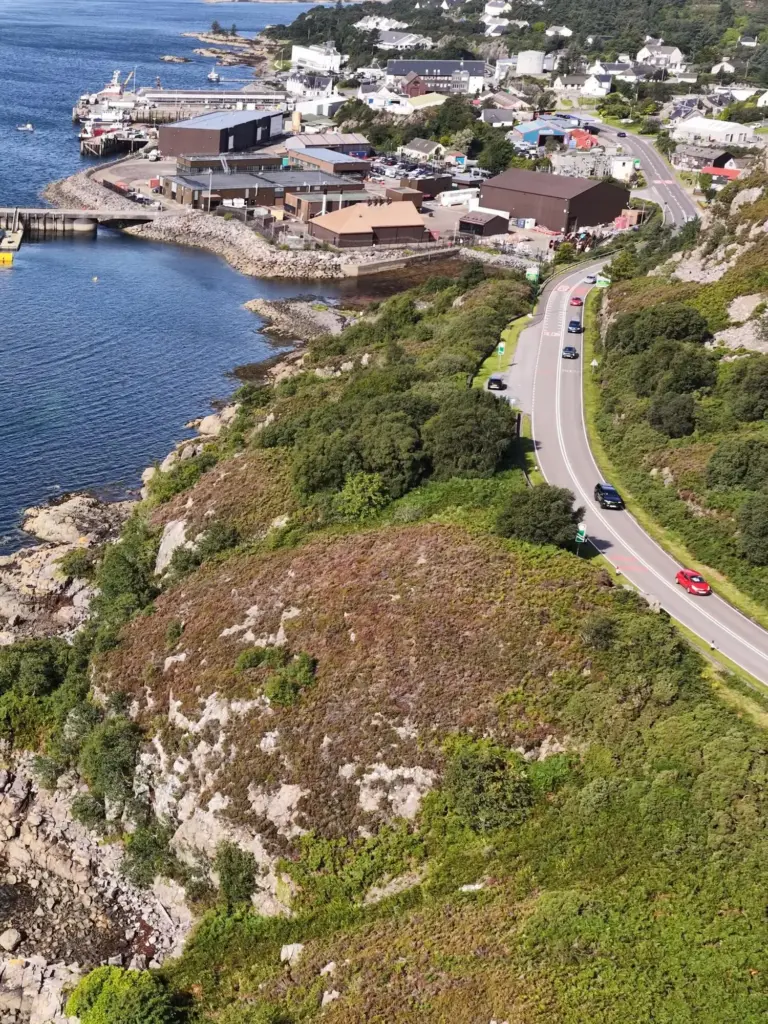
Sea stacks that seem reachable at noon can be dangerous or invisible by late afternoon. Study tide tables, swell height, and period to anticipate reflected spray, dry foregrounds, or dramatic foam lines. Mark safe windows with ample exit time, because returning paths can vanish. Cross-reference local harbor data with surf reports, and log visual changes on-site. You will learn where rip channels draw lines for leading compositions, and how moderate swell can texture water without erasing crucial sand patterns beneath your tripod.

Golden Hour Windows Along a Curving Coastline
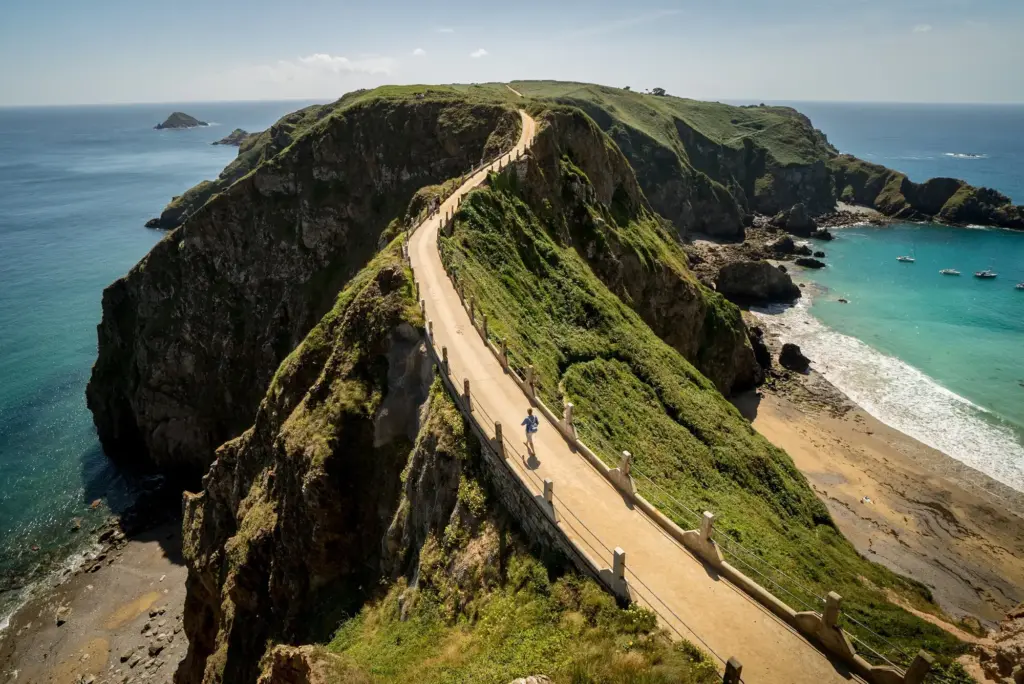
Sun paths bend meaningfully against bays, peninsulas, and headlands, altering backlight opportunities minute by minute. Use photo-ephemeris tools to visualize shadow creep over cliffs, then select turnouts positioned for silhouettes or edge glow. Plan a primary stop and two backups along the same stretch to hedge clouds or traffic. Arrive early, pre-compose with midtones, and let the color surge fill shapes you established beforehand. This discipline creates calm, agile workflows that survive changing weather and still capture heartfelt, luminous frames.

Parking, Turnouts, and Safe Shoulder Etiquette
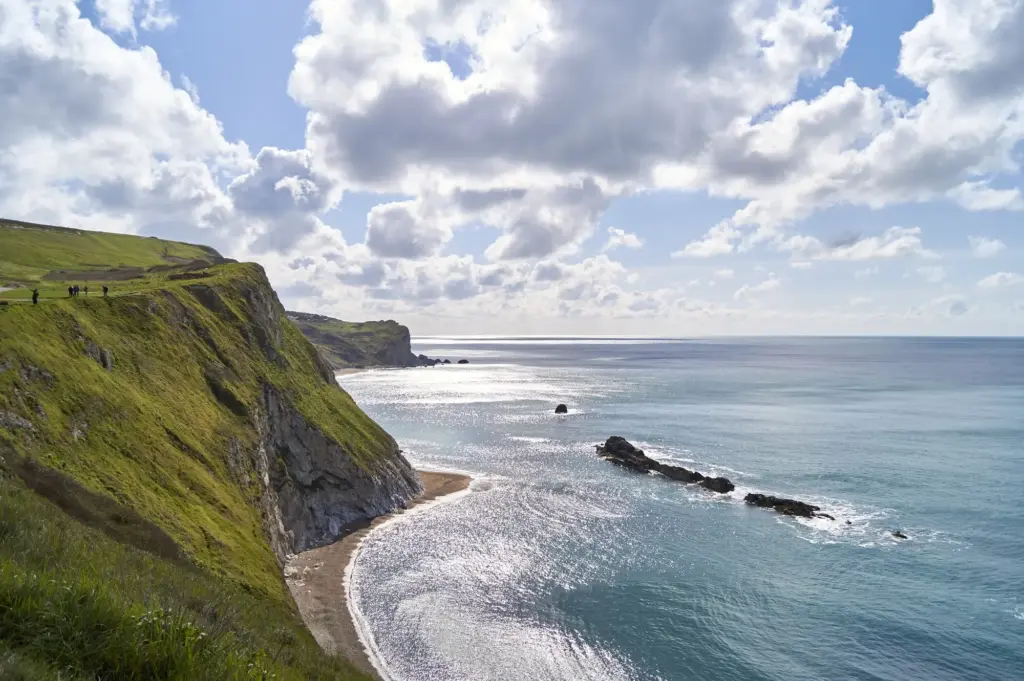
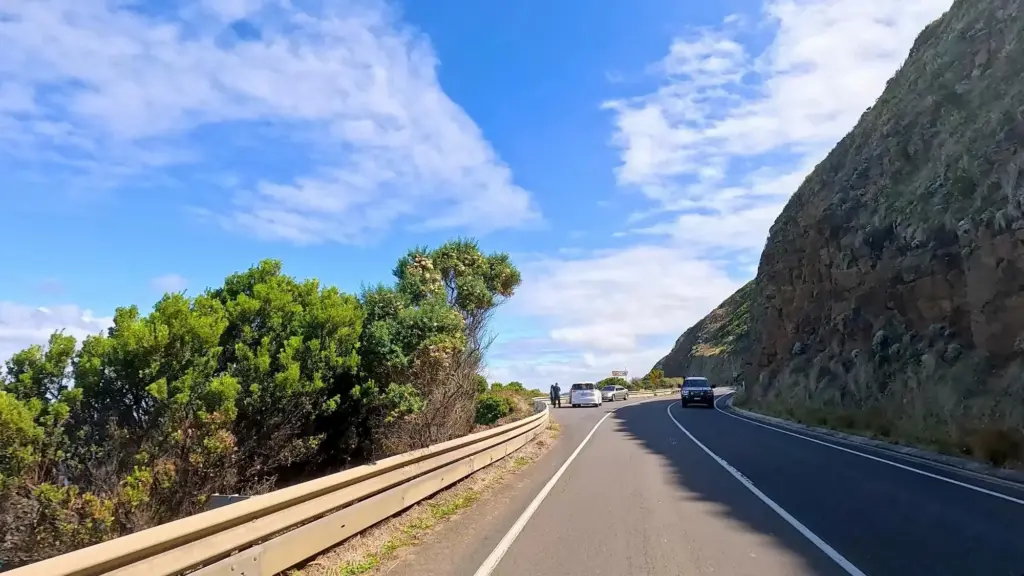
The finest photograph means little if you endanger yourself or others. Use designated turnouts, position your vehicle fully off-lane, and keep doors opening away from traffic. Wear reflective accents, face oncoming cars, and avoid blind corners. If a shoulder feels questionable, keep driving to a safer alternative rather than gambling seconds. Stow gear before moving, and never block emergency access or private driveways. As light fades, headlamps and vests protect you while you reorganize. Respect signs, fences, and locals who rely on clear roads every day.

Composing Safely at the Edge

Set personal boundaries well inside posted edges, then build compositions as if the cliff were shrinking. Kneel, widen your stance, and avoid leaning beyond stable ground. Use a sturdy strap, secure your lens cap, and never chase hats toward drop-offs. Seek compositions that celebrate form without courting risk: repeating buttresses, contrasting rock tones, and diagonal surf lines. Tell the story through layers and perspective cues, inviting viewers to sense height through scale references. Leave with dignity, gratitude, and a renewed promise to return responsibly.

Harnessing Compression with Telephoto Lenses

From a lofty turnout, a telephoto collapses distance so sea stacks, boats, and cliffs align into rhythmic geometry. Start with modest apertures to hold detail across planes, then adjust shutter speed for surf character. Micro-tune focus with live view, and wait for sequences of waves to crest along your intended diagonal. Compression can dramatize valley-to-sea transitions, revealing scale relationships hidden to the naked eye. When wind shakes your setup, lower the tripod and engage stabilization thoughtfully. Small adjustments here pay cinematic dividends later.

Fog, Spray, and Atmospheric Layers

Marine layers can turn hard noon light into a soft theater of gradients. Embrace partial obscurity: silhouettes against pale haze evoke distance and mood. Protect optics with clear filters, wipe often, and shelter your kit behind your body. Backlit spray ignites tiny prisms, while side light reveals contouring cliffs. Increase micro-contrast gently during post-processing, honoring the quiet tonality rather than forcing clarity. Think of atmosphere as a brush that paints depth, allowing you to place subjects within luminous envelopes that feel honest, gentle, and timeless.

Hunting for Sea Stacks and Sculpted Shores

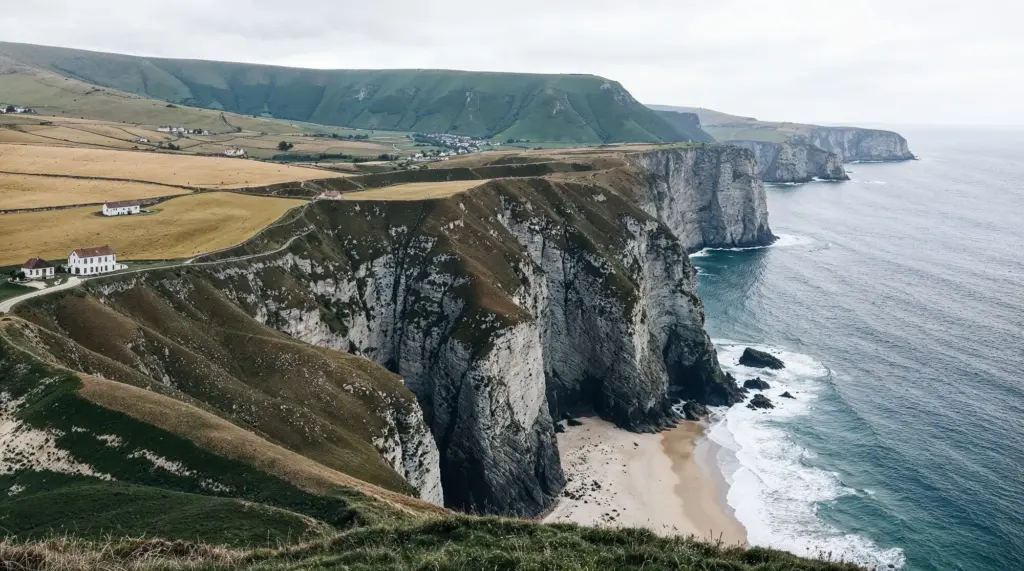
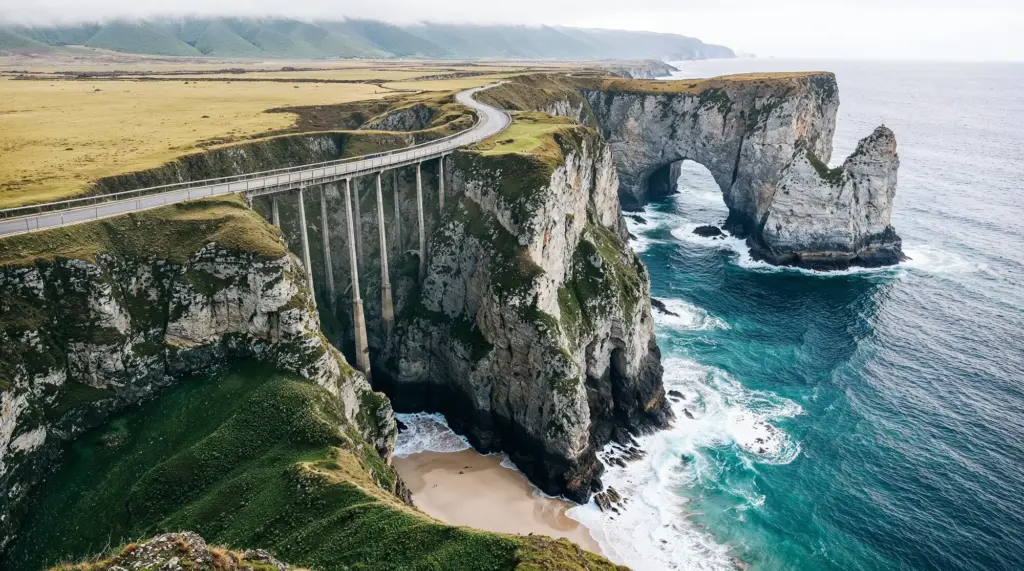
Sea stacks tempt with mythic silhouettes and shifting foregrounds. Track them on maps, then decode access via signed paths, beach stairs, or safe coves. Low tide reveals sand ripples and tide pools, while higher water carves clean reflections around bases. Move slowly, respecting slippery algae and nesting zones. Build frames that communicate scale through human figures or gulls, always keeping wildlife undisturbed. Share discoveries sparingly and responsibly, guiding others to safer alternatives rather than fragile, easily damaged crannies that cannot handle rising attention.

Sunset Vistas from Serpentine Byways
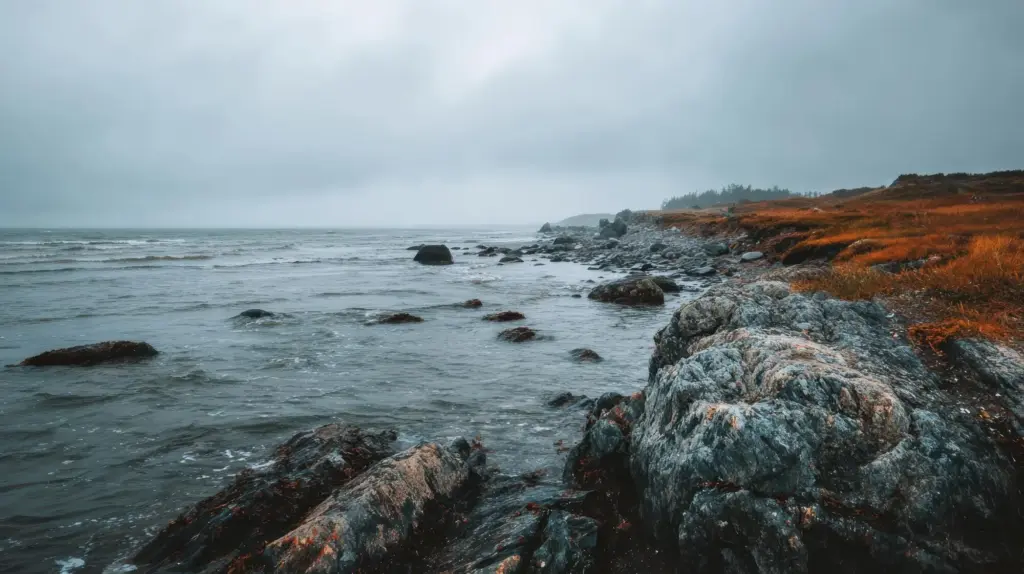
As the day leans west, patience and positioning matter more than luck. Park early at a safe overlook and build compositions before color arrives, testing exposures against midtones. Watch how high clouds catch ember hues several minutes after the sun dips. If traffic or wind disrupts, pivot to your backup turnout without panic. Keep microfiber cloths ready for spray and carry a warm layer for lingering blue hour. Invite readers to comment with their favorite highway pullouts and subscribe for seasonal sunset calendars tailored to coastal latitudes.

Sequencing for Emotional Pace

Start with wide frames expressing anticipation, narrow to secrets and textures, then release tension with sweeping vistas. Use visual rhymes—repeating colors, shapes, or diagonals—to thread chapters together. Keep transitions gentle, perhaps a hand on a rail or a recurring map corner. Avoid abrupt jumps that disorient. Think in triptychs for carousels and spreads, reserving a closing image that feels like an exhale. Share drafts with friends who traveled with you, listening for moments where narrative breath stutters, then trim ruthlessly to restore graceful flow.

Geotagging, Captions, and Context

Context enriches photographs, but sensitive environments deserve discretion. Replace exact coordinates with broader regions when habitats are fragile or parking is scarce. Use captions to teach tide timing, safety notes, and cultural respect rather than exact pin drops. Consider creating private maps for close friends and safer public guides for wider audiences. Audience trust grows when your storytelling protects places while still empowering exploration. Encourage comments with local insights, corrections, and seasonal tips, transforming your gallery into a living, ethical atlas shaped by thoughtful contributors.

Editing on the Move and Power Logistics
Roadside editing thrives with portable discipline. Calibrate expectations on a laptop you know well, shade the screen from glare, and rely on consistent presets as starting points, not crutches. Rotate batteries through a car charger, and manage storage with dual backups—one stays in the vehicle, one in your pocket. Mark selects as you go to keep energy high later. Whether you prefer deep color work or restrained tonal honesty, elevate coherence across the series so viewers feel led, cared for, and welcomed into your coastal day.

Respecting Access and Cultural Histories

Fences and signs protect fragile dunes, burial grounds, and active research zones. Honor closures, seek permits when required, and ask permission before crossing private easements. Learn local stories that deepen images with lived context: traditional fishing coves, legends tied to particular rock arches, and seasonal ceremonies. Photographs gain resonance when they reflect place-based knowledge rather than treating coastlines as generic backdrops. When you publish, amplify indigenous voices and local historians. Your presence becomes not only polite, but collaborative, sustaining shared pride and understanding along the route.

Emergency Readiness Near Unpredictable Water

Sneaker waves and unstable cliffs demand quiet vigilance. Carry a first-aid kit, insulated layers, headlamps, and a compact emergency blanket. Keep a paper map in case batteries fail, and text someone your expected return. Face the ocean while repositioning, especially during high swell. If someone is swept, call authorities immediately rather than attempting hazardous rescues. Practice calm packing habits so departures are smooth under pressure. Preparedness may feel unromantic, yet it preserves the freedom to witness thunderous beauty, then drive home with gratitude, images, and stories to share.

Sharing Responsibly and Building Dialogue

Invite readers to comment with respectful alternatives when favorite spots become crowded, and to suggest roadside pullouts with safer shoulders. Encourage subscriptions for tide-aware alerts, printable checklists, and seasonal route ideas curated to changing light. Host gentle debates about editing styles, equipment footprints, and disclosure choices, insisting on empathy as a ground rule. Respond generously to beginners finding their sea legs. Together, a dispersed community can protect access, uplift craft, and keep coastlines thriving, so sunset vistas remain inviting classrooms instead of cautionary museum pieces behind ropes.

Palopentozuno
Privacy Overview

This website uses cookies so that we can provide you with the best user experience possible. Cookie information is stored in your browser and performs functions such as recognising you when you return to our website and helping our team to understand which sections of the website you find most interesting and useful.